
Guide Management and Planning at Museum National d’Histoire Naturelle
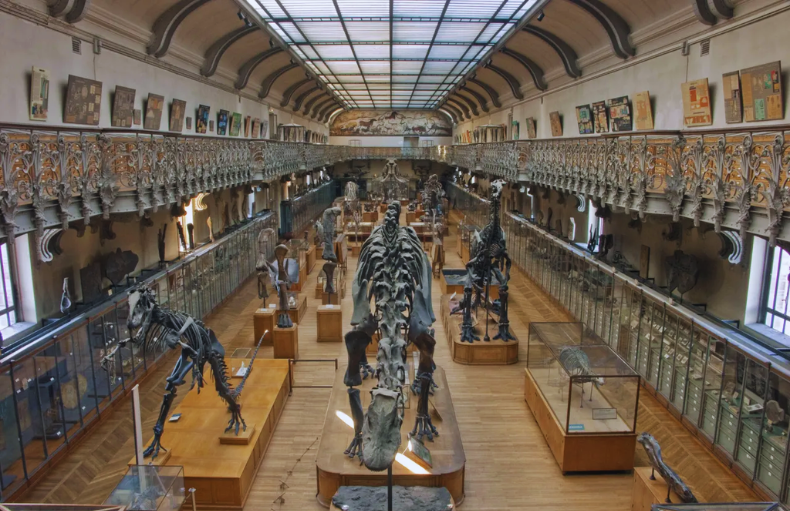
With four sites and millions of visitors each year, the Muséum national d’Histoire naturelle needed to better structure the management of its mediators. By leveraging integrations between Secutix and #DIESE, the institution now compiles, consolidates, and improves visibility over guide schedules.
A key challenge: coordinating guides across multiple sites
The Muséum national d’Histoire naturelle operates across four major sites: the Jardin des Plantes, the Musée de l’Homme, the Parc Zoologique de Paris, and the Arboretum of Versailles-Chèvreloup.
This multi-site setup requires precise management of guided tours and mediation teams. Every day, numerous time slots – for both individuals and groups – must be planned, monitored, and assigned to the right guides.
Previously, guide management relied heavily on the ticketing system. However, given the volume of activity and the diversity of profiles involved, a clear need emerged: improve planning oversight while ensuring data reliability.
Interoperability at the core of the system
The project is built on a simple principle: connect existing tools to streamline data flows.
In practice, Secutix – the ticketing system – feeds #DIESE with key information:
- tour catalogue
- time slots (individual and group)
- booking-related data
This data is automatically transferred in batches via a synchronization mechanism. Each type of visit is then created as a project in #DIESE, with eligible guides assigned.
This integration of systems eliminates duplicate data entry and ensures consistency across tools – a critical requirement for large cultural organizations.
Structuring guide planning
Once the data is integrated, #DIESE becomes the operational backbone.
Teams use it to manage:
- mediator contact records (internal and external)
- qualifications and permissions
- assignment to visits
- daily scheduling
The time and activity management module allows teams to assign guides to each visit slot, with clear visibility over availability and workload. The schedule becomes a shared, readable, and actionable tool.
In addition, simple indicators – such as the number of visits per guide – help balance workloads.
An organization tailored to MNHN’s complexity
Each site within the museum has its own teams and specific constraints. The structure within #DIESE reflects this reality, with dedicated access rights and scopes per location.
This approach enables:
- separation of operations by site
- while maintaining a global overview
- and ensuring data consistency
The system adapts to a decentralized organization without compromising clarity or control.
Do you face similar challenges?
Would you like to improve team planning or connect your existing tools?
Get in touch with our team to discover how #DIESE can integrate into your ecosystem.