
From spreadsheets to a single planning hub at The Atlanta Opera
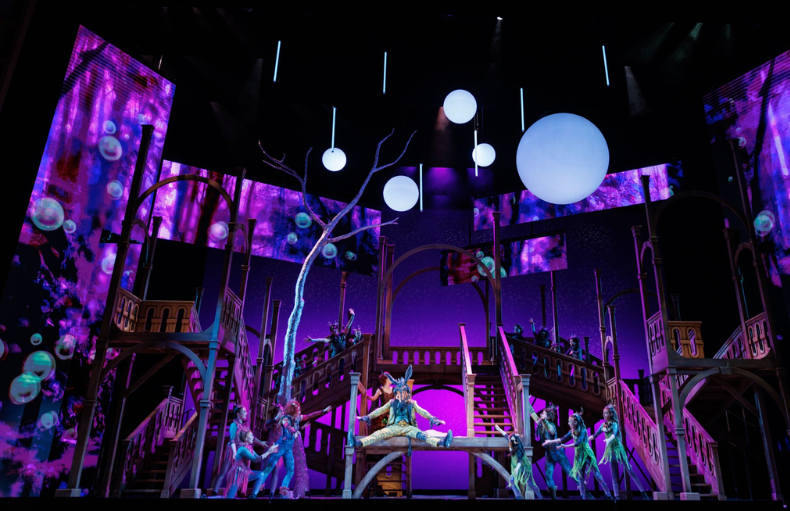
The Atlanta Opera, one of the leading companies in the southeastern United States, turned to #DIESE to unify its productions and its planning in a single system. In place of scattered spreadsheets, the company now manages its season, its productions, and its day-to-day schedule from one shared reference.
A growing company, an expanding planning need
The Atlanta Opera runs a rich and varied season – large-format Mainstage productions, the more intimate Discoveries series, new creations through its 96 Opera festival, and touring productions – alongside a studio dedicated to filming and archiving. It performs at the Cobb Energy Performing Arts Centre, maintains a scenic warehouse, and is currently developing a new rehearsal space. The company is also widely recognized for its scenery, which it builds and rents to other opera houses.
As its activity grew, The Atlanta Opera set out to consolidate its planning into one place. Until then, scheduling and program information lived largely in spreadsheets. The objective was clear: a single, unified program covering productions, planning, and contacts.
A unified program at the core
The heart of the project is the way productions are now structured. Each production lives in #DIESE with its key details, its cast, its attached documents, and its associated schedule – and connects to the works that make up the program. Instead of being spread across files, the season comes together as a single, coherent picture.
Contacts sit alongside it in the same system: artists, staff, and external collaborators are managed centrally, ready to be assigned wherever they’re needed.
Planning, in a single view
Around the productions, the planning module brings the company’s daily activity into one place – performances, rehearsals, meetings, and venue rentals, all visible together. Each department can filter the planning to see exactly what’s relevant to its work, while everyone draws on the same underlying data.
Because The Atlanta Opera performs in a partner venue rather than its own house, tracking those bookings in the same tool adds real clarity. And as schedules evolve, changes can be communicated cleanly from #DIESE rather than re-shared by hand. The planning becomes a genuine source of truth – readable, shared, and dependable.
Scheduling artists and staff alongside the planning
Artistic ensembles and permanent staff are scheduled in #DIESE too, feeding into the same overall picture: artist engagements, rehearsals and performances, and the hour tracking the company wanted to get right, for permanent and freelance contributors alike.
The company is also beginning to schedule its stage crews – handled, as is standard in the US, by role and headcount through placeholder positions, an approach already proven with European opera houses.
Putting schedules in artists’ hands
The next step underway is the rollout of MyDIESE, the individual portal, which will let musicians and permanent staff read their own schedules and access production information directly.
The benefits, day to day
- A unified program bringing productions, works, and contacts together
- One shared planning view in place of multiple spreadsheets
- Department-specific filtering on top of a single set of data
- Reliable hour tracking for both permanent and freelance artists
- A scalable foundation that can grow with the company
One factor stands out from this project: the value of a dedicated internal lead on the client side. With clear ownership and strong engagement from the team, the company made the tool its own quickly – supported throughout by a close, responsive relationship with the #DIESE teams.
Facing similar challenges?
Whether you’re structuring a full season or coordinating productions across teams and venues, #DIESE can bring your planning together in one place. Talk with the IT4Culture teams to see what it could look like in your organization.
Pic: TAO – A Midsummer Night’s Dream 2024 – Natalia Carlson Lighting Design